
Phone Down. Glasses On.
Meta
Overview
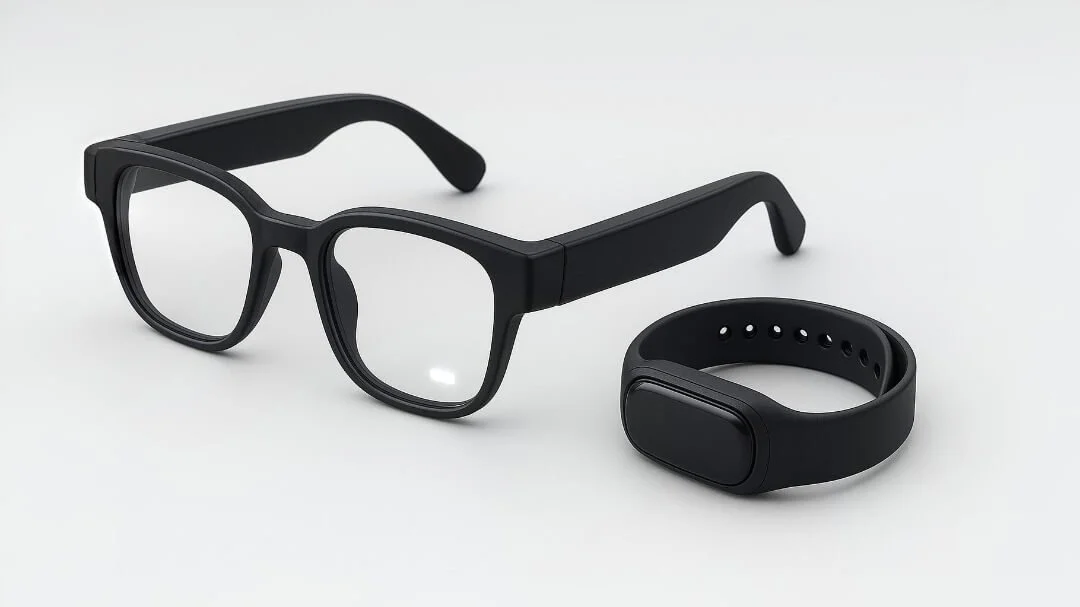
Meta's Hypernova smart glasses needed real-world validation before launch, testing hardware performance and usability outside a lab setting. When they came to us, they needed a companion app that could turn everyday use into a structured source of feedback, internally, before the product reached the public.
The challenge
Lab testing could confirm that Hypernova's hardware worked, but not how it held up on daily, real-world conditions, or how quickly issues could be surfaced once they occurred. The team needed a way to gather structured feedback continuously, from a group of internal testers, without slowing down the pace of development or relying on manual reporting after the fact.
What we did
We designed the internal companion app end to end: an onboarding flow that introduced testers to the glasses' core functions, a challenge and community system that kept engagement consistent over time, and a points-based incentive program tied to a charitable cause. Feedback and survey mechanisms captured structured, just-in-time input on hardware issues as they arose, directly informing the product team's development decisions.
Beyond Hypernova, the same testing framework was extended to other in-development products, giving Meta a repeatable system for gathering real-world data across its hardware pipeline.
The result
An internal testing system that gave Meta continuous, real-world feedback on hardware performance, contributing to a 5x increase in real-world data capture used to train the product's AI models.